In genealogy, we often mine conversations with our elders for information – facts about events, people, and places…maybe even decisions and related intentions. Less frequently do we try to listen for the lessons they learned and meditate on how we can apply them in our lives. Maybe we should be more mindful of a very important aspect of ancestral research – the notion that history repeats itself…or, at least, it rhymes, as Mark Twain stated. And, if (or since) our present is reminiscent of our ancestors’ pasts, whether good or bad, shouldn’t we learn about and from those pasts?
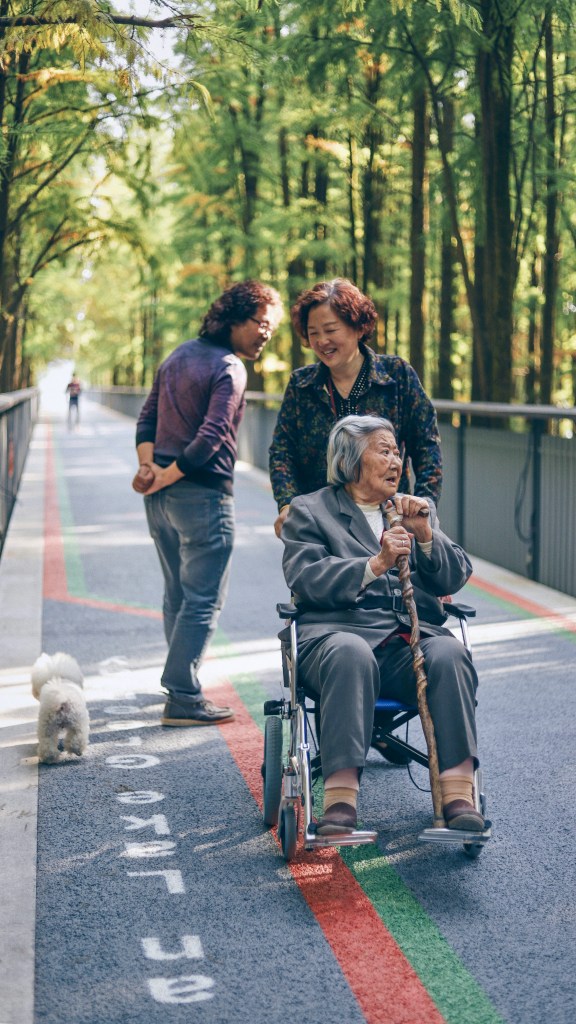
Recently, I was speaking to a man who is about to complete 86 years on this earth. He was remarking, as he often does, on how young he feels in spite of his physically deteriorating body. I asked him how he could reconcile the apparently conflicting input. Even as I was listening to him, I was acutely aware of the ache in my side talking to me. I wondered out loud, bewildered, how he could retain a youthful mindset even as he watched and felt his body getting older. As we discussed all of this, he gave me some counsel that I will pass on to you.
STOP
- Focusing on the negative and
- Limiting what you can do.
Specifically, he told me to refrain from saying things like, “I’m too old for this or that,” and to avoid giving much attention to pain and physical constraints. He advised me instead to…
START
- Thinking young, which, he said, involves being optimistic and driving yourself to pursue a goal. The elder remembered how, in his 40s, he ran three 10k races each year. Now, it is hard to amble down his hallway or drive more than thirty minutes. Yet, every day, he aims to do a few minutes of walking
- Getting started, even when you don’t feel like it. My old friend struggles with the motivation to achieve his goal of walking daily. When he puts into action the principle of just taking one, small step, he ends up taking a flight of stairs or extending his allotted time, sometimes conversing with other residents in his apartment. His initial push leads him, not only to be more active, but also to gain new perspectives about the world and his place in it.
- Being grateful. He noted that a little bit of gratitude goes a long way. Researchers Sansone and Sansone define gratitude as “the appreciation of what is valuable and meaningful to oneself…a general state of thankfulness and/or appreciation”. Of course, as with most things, there’s no consensus, but scientists have found that gratitude is associated with positive mood and overall life satisfaction, helping behavior, and social wellbeing.
No matter how old you are, you can learn something from your elders and ancestors. Interview them, or just shoot the breeze with them; read their letters and journals; reflect on what others wrote about them. Whatever you do, pay attention. What lessons can you learn, and how will you apply them in your life as well as in your genealogy research?
 The Genealogy Griot